Costco's Membership Model
Why paying to shop pays off. Costco keeps markups thin and earns much of its profit from membership fees. Here is how the warehouse club business model really works.
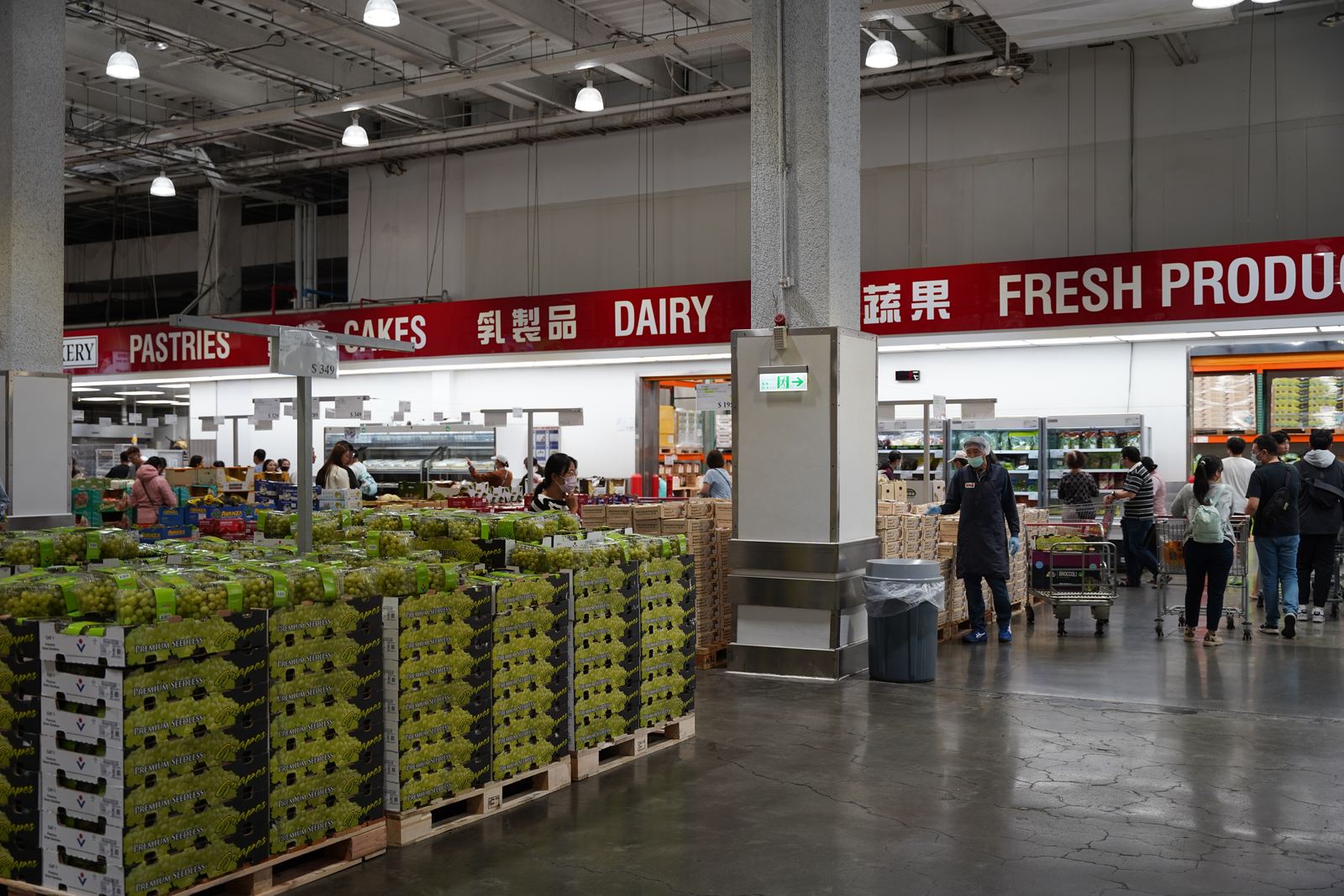
Inside a Costco warehouse: Benlisquare, CC BY-SA 4.0
The roots of the warehouse club
The membership warehouse idea came from Sol Price, who opened Price Club in San Diego in 1976. Jim Sinegal, who had worked for Price, co-founded Costco with Jeffrey Brotman and opened the first warehouse in Seattle in 1983. The two companies merged in 1993, and Costco grew into one of the largest retailers in the world.
Video: How Costco Became A Massive "Members Only" Retailer (CNBC), embedded from YouTube.
Costco makes much of its profit from memberships, not products
Costco keeps product markups low and earns a large share of its operating profit from annual membership fees.
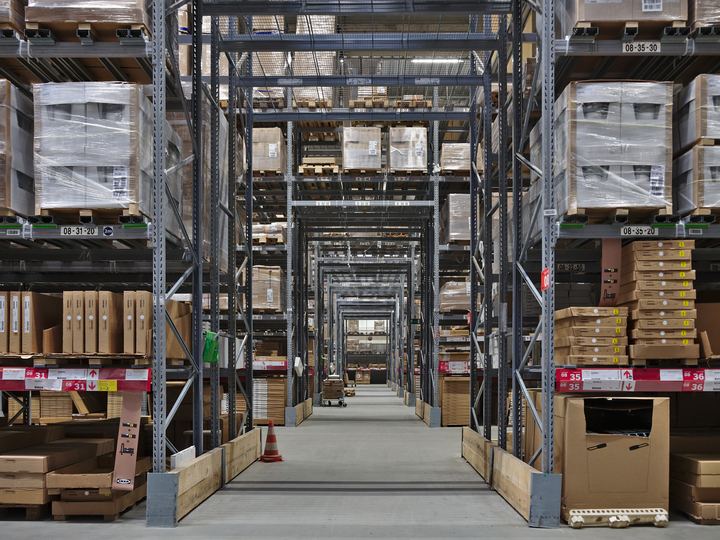
YouTube @BiggestBossman (launching soon). Photos in this Short: Costco (14965).jpg - EvanCarroll (CC BY-SA 4.0) via Wikimedia Commons | Costcointerior.jpg - Original uploader was Coolcaesar at en.wikipedia (CC BY-SA 3.0) via Wikimedia Commons | Costco Empty shelves March 2, 2020.agr.jpg - ArnoldReinhold (CC BY-SA 4.0) via Wikimedia Commons | Ikea warehouse interior.JPG - self-made (CC BY-SA 2.5 ca) via Wikimedia Commons | Shopping carts Tegut Tauberbischofsheim.jpg - Triplec85 (CC BY-SA 4.0) via Wikimedia Commons | Hot dog 01.jpg - stu_spivack (CC BY-SA 2.0)
Two ways to make money
Most retailers earn their profit from the markup on what they sell. Costco deliberately keeps that markup thin, and its founders set a long-standing rule, widely reported, that markups stay at no more than about 14 percent on name-brand items and 15 percent on its Kirkland Signature store brand. Merchandise sales cover the cost of running the warehouses with only a sliver left over.
The second stream is the membership fee. In September 2024 Costco raised its basic US and Canada fee to $65 a year and its Executive tier to $130. Membership fees are a small share of total revenue, but they are almost pure margin, so they make up a large share of the company's operating profit. At the end of fiscal 2026, the renewal rate in the US and Canada was 92.3 percent.
Why the model reinforces itself
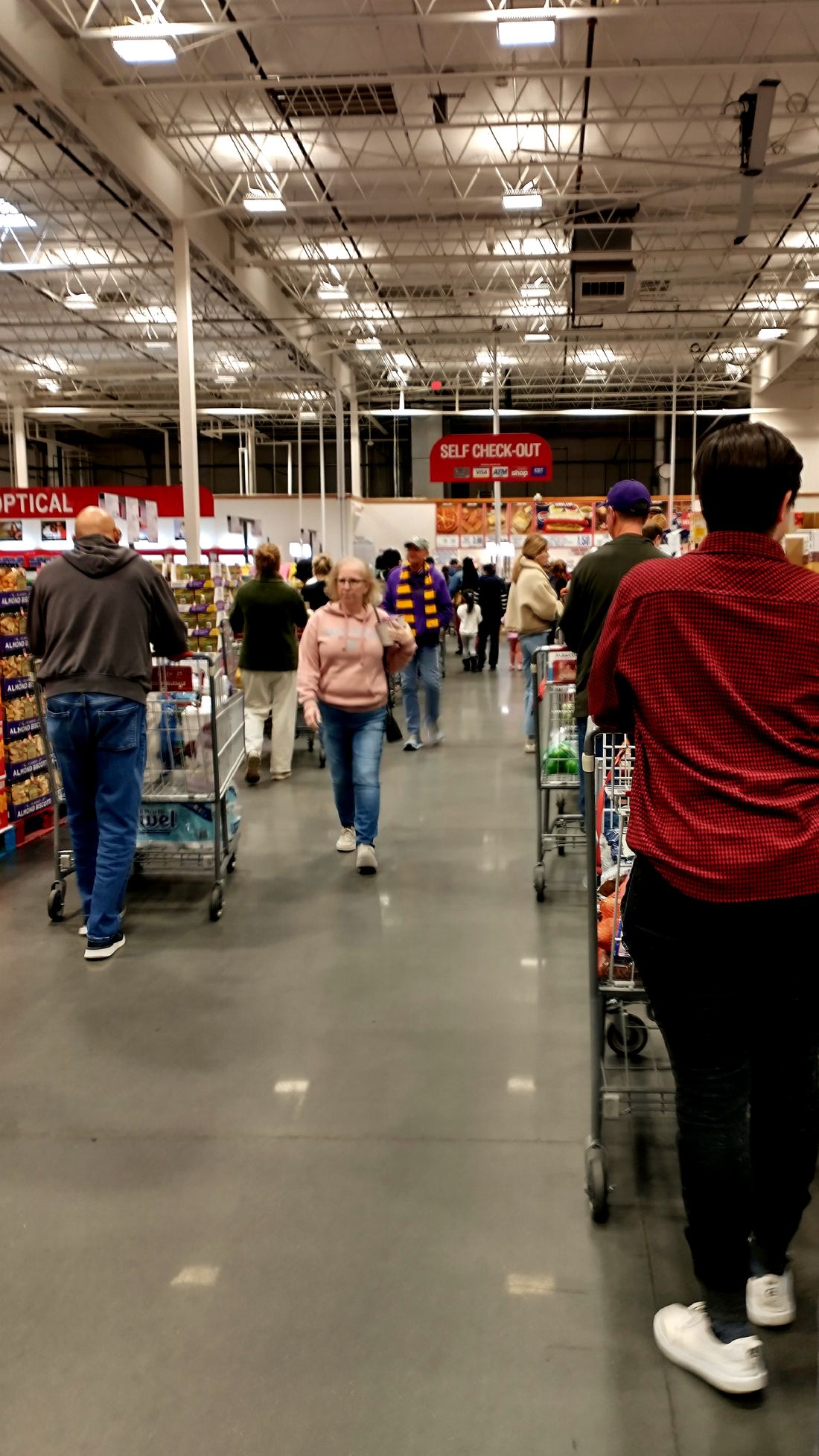
Paying an annual fee makes members want to get their money's worth, so they come back often and buy in bulk. Costco stocks only a few thousand products at a time, far fewer than a typical supermarket. That lets it buy each item in huge volumes, negotiate hard with suppliers and keep the stores simple, with goods sitting on pallets instead of decorative shelves.
Low prices on everyday items, plus famously cheap food court deals like the $1.50 hot dog and drink combo, which has kept the same price since 1985 and is widely described as a loss leader, remind members that the fee is worth it. Happy members renew, and the cycle repeats.
Costco is also known for paying hourly workers more than many retail rivals. Leaders have argued that better pay reduces turnover and training costs and improves service, which supports the same goal: keep members happy enough to renew year after year.
The boss lesson
A recurring fee can turn a low-margin business into a stable, predictable one. The key is that customers must feel they win every visit. Costco's thin markups are not a weakness. They are the reason people keep paying to get in the door.
Any business with loyal, repeat customers, from gyms to software, can ask the same question: is there a way to charge for access and then reward people for coming back?
- SEC: Costco Wholesale Form 10-K for fiscal 2025
- Motley Fool: Costco Q4 2026 Earnings Call Transcript
- Acquired: Costco
- Axios: Costco didn't raise the price of its $1.50 hot dog
- CNN Money: Priced to grow, how Costco got started
Facts on this page were checked against these sources.
- Inside a Costco warehouse: Benlisquare, CC BY-SA 4.0
- Checkout line at Costco: Paul Lowry, CC BY 2.0
- Short photos: Costco (14965).jpg - EvanCarroll (CC BY-SA 4.0) via Wikimedia Commons | Costcointerior.jpg - Original uploader was Coolcaesar at en.wikipedia (CC BY-SA 3.0) via Wikimedia Commons | Costco Empty shelves March 2, 2020.agr.jpg - ArnoldReinhold (CC BY-SA 4.0) via Wikimedia Commons | Ikea warehouse interior.JPG - self-made (CC BY-SA 2.5 ca) via Wikimedia Commons | Shopping carts Tegut Tauberbischofsheim.jpg - Triplec85 (CC BY-SA 4.0) via Wikimedia Commons | Hot dog 01.jpg - stu_spivack (CC BY-SA 2.0) via Wikimedia Commons | Hot Dog with Baked Beans and Coleslaw.jpg - TheCulinaryGeek (CC BY 2.0) via Wikimedia Commons
Text written by Biggest Bossman.
← Jeff Bezos and the Amazon GarageRazor and Blades: Why Ink Costs So Much →