Phil Knight and Nike
From car-trunk shoe sales to Swoosh. Phil Knight began by selling imported running shoes from his car. Blue Ribbon Sports, founded with coach Bill Bowerman in 1964, became Nike.
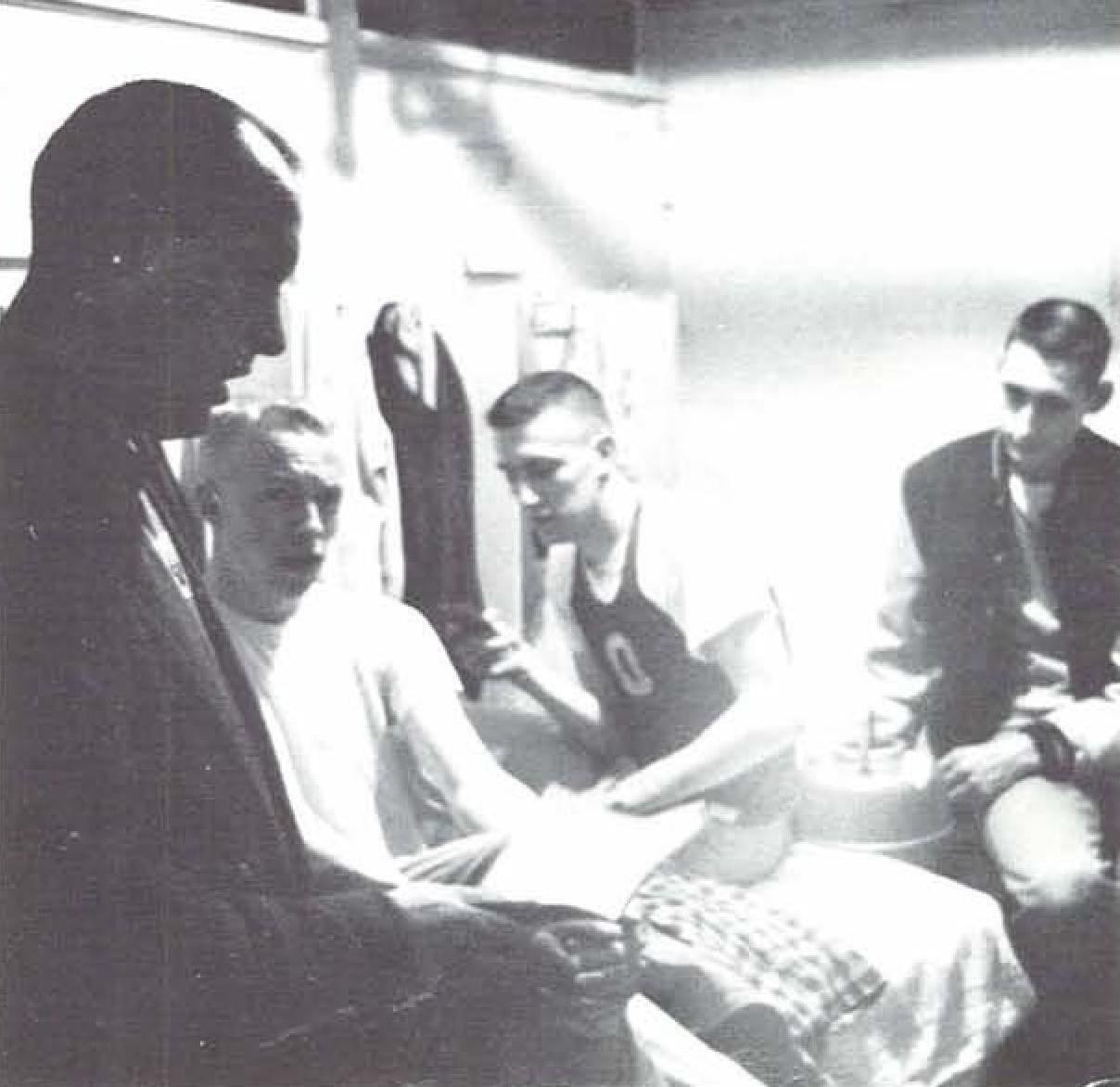
Bill Bowerman with Phil Knight and teammates: University of Oregon, Public domain
A class paper with legs
Phil Knight ran middle distance at the University of Oregon under coach Bill Bowerman, a tinkerer obsessed with lighter shoes. Later, as an MBA student at Stanford, Knight wrote a paper arguing that well-made Japanese running shoes could do to the American market what Japanese cameras had done to German ones.
In 1962 he traveled to Japan, met the makers of Onitsuka Tiger shoes and talked his way into becoming their US distributor. In 1964 he and Bowerman each put in $500 and formed Blue Ribbon Sports.
Video: Phil Knight, MBA '62, Co-founder and Chairman Emeritus, Nike (Stanford Graduate School of Business), embedded from YouTube.
Selling from the trunk
The early business was as small as it gets. Knight sold shoes out of his car at track meets while keeping a day job as an accountant. Bowerman experimented with designs in his workshop, famously using a waffle iron to test a new sole pattern. Cash was always tight because the company kept growing faster than its bank lines, a squeeze Knight later described in his memoir Shoe Dog.
When the relationship with Onitsuka broke down, the company launched its own brand. In 1971 it adopted the name Nike, after the Greek goddess of victory, and the Swoosh designed by a Portland State student. Blue Ribbon Sports became Nike, Inc. in 1978 and went public in 1980.
Bowerman also coached many of the runners who wore and tested the early shoes, which gave the young company honest feedback and credibility in the running world long before it had a marketing budget.
Why it worked
Nike's founders combined two strengths that rarely sit in one person: Bowerman's product obsession and Knight's appetite for deals, distribution and risk. Later, the company leaned heavily on athlete partnerships and bold advertising, turning shoes into a cultural statement and not just equipment.
Knight served as chairman until 2016 and remains one of the most generous donors to the University of Oregon and Stanford.
The boss lesson
Start by reselling what already works, learn the customer, then build your own product once you understand the market. Blue Ribbon Sports spent years as a distributor before it designed its own shoes, and that apprenticeship gave Nike its footing.
The other lesson is about cash. A profitable, fast-growing company can still run short of money, because inventory must be paid for long before customers pay you. Knight's near misses with the bank are a reminder to watch cash as closely as sales.
- Britannica: Phil Knight
- Wikipedia: Nike, Inc.
- CNBC: Nike Chairman Phil Knight to step down in 2016
- Wikipedia: Swoosh
Facts on this page were checked against these sources.
- Bill Bowerman with Phil Knight and teammates: University of Oregon, Public domain
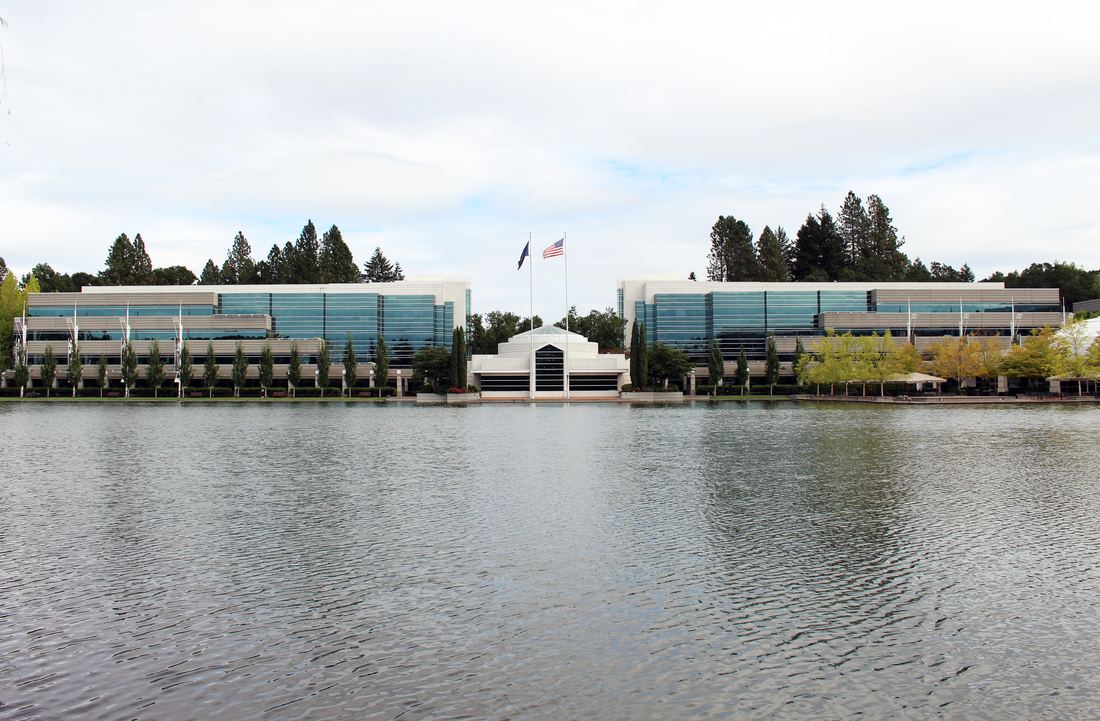
- Nike World Headquarters, Beaverton: Coolcaesar, CC BY-SA 4.0
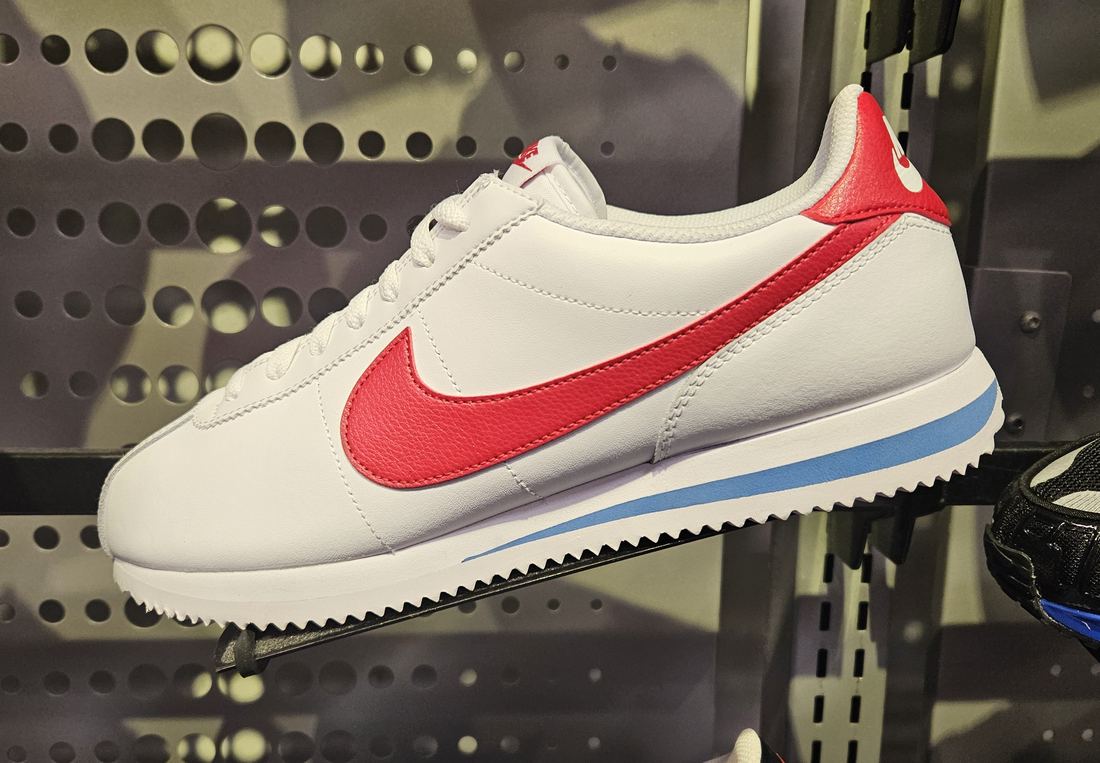
- Nike Cortez sneaker: LeDroider, CC0
Text written by Biggest Bossman.