
Cash Flow vs Profit
Why profitable businesses still run dry. Profit is what a business earns on paper. Cash flow is the money moving in and out. Learn why the gap between them sinks many young companies.
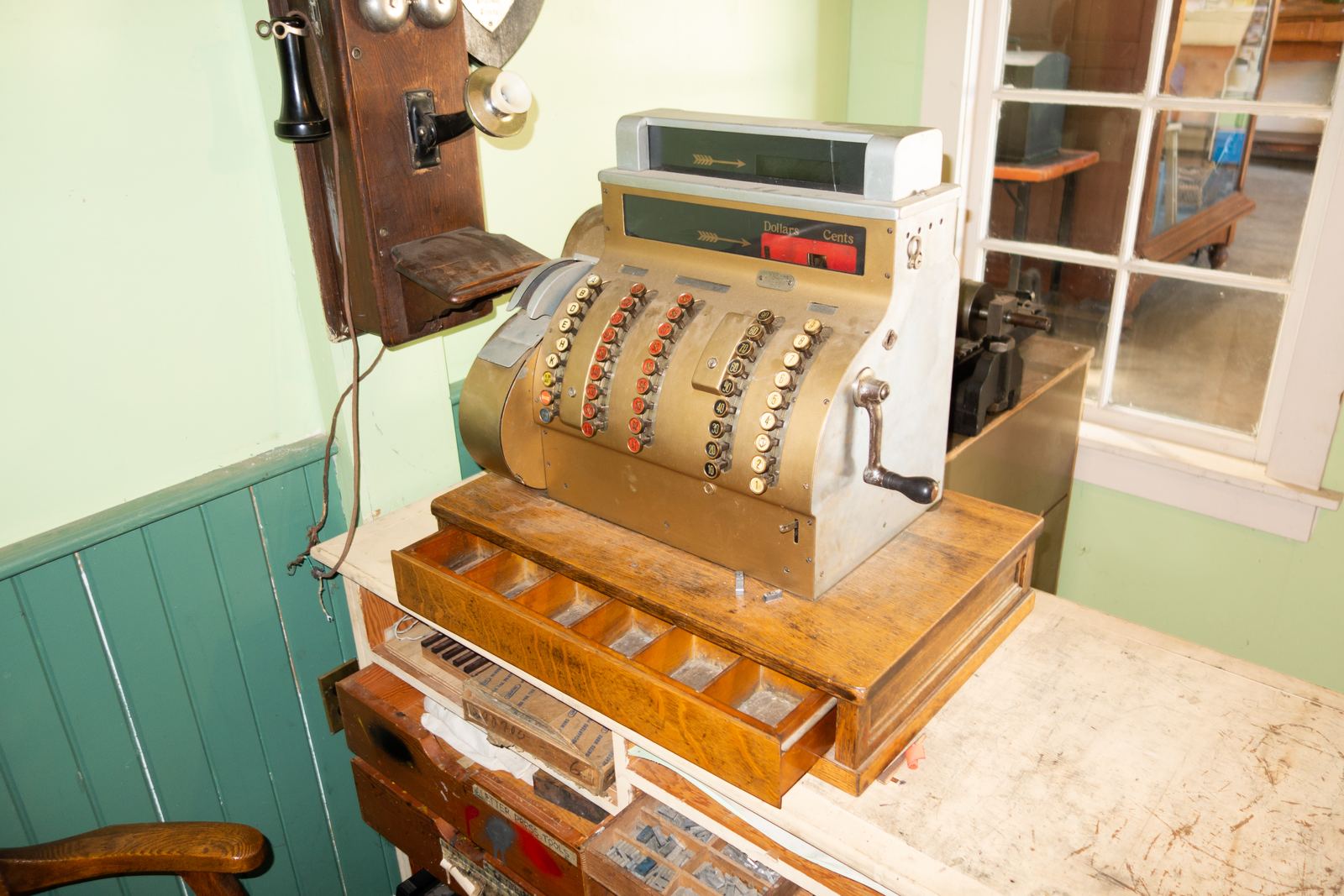
Antique cash register: Thomas Quine, CC BY 2.0
Two different scoreboards
Profit, or net income, comes from the income statement. Under standard accrual accounting, a sale counts as revenue when it is earned, not when the customer pays, and costs are matched to the period they relate to. Cash flow is more literal. It tracks the actual dollars that arrive in and leave the bank account during a period.
Over the long run the two tend to line up. In the short run they can be far apart, and the short run is where businesses fail.
How a profitable company runs out of cash
Here is a simple hypothetical. A small manufacturer lands a big order worth $100,000 that will cost $70,000 to fill. On paper that is $30,000 of profit. But it must pay suppliers and workers now, while the customer has 60 days to pay. For two months, the company is $70,000 out of pocket. If it lacks the cash or credit to bridge that gap, it can miss payroll despite a profitable sale.
Fast growth makes this worse, because every new order demands cash up front. Inventory sitting on shelves, equipment purchases and loan principal payments also drain cash without showing up as an expense in the same way.
Habits that protect cash
Many owners build a rolling cash forecast that lists expected money in and out week by week. They invoice quickly, offer small discounts for early payment, and negotiate longer terms with suppliers. They watch inventory so money is not trapped on shelves. They also arrange a line of credit before they need it, since banks lend more easily to businesses that are not in trouble.
Another key number is runway: how many months the business could keep operating on its current cash if no new money came in.
The reverse can happen too. A business can collect lots of cash up front, such as annual subscriptions or customer deposits, while still being unprofitable once all costs are counted. A healthy bank balance alone does not prove a business model works.
The boss lesson
Profit tells you whether your business model works. Cash tells you whether you will survive long enough to prove it. Read the cash flow statement alongside the income statement, and ask an accountant to walk you through both if they are new to you.
Not financial advice: this page is general education, not a recommendation for your personal situation. Talk to a licensed professional before making money decisions.
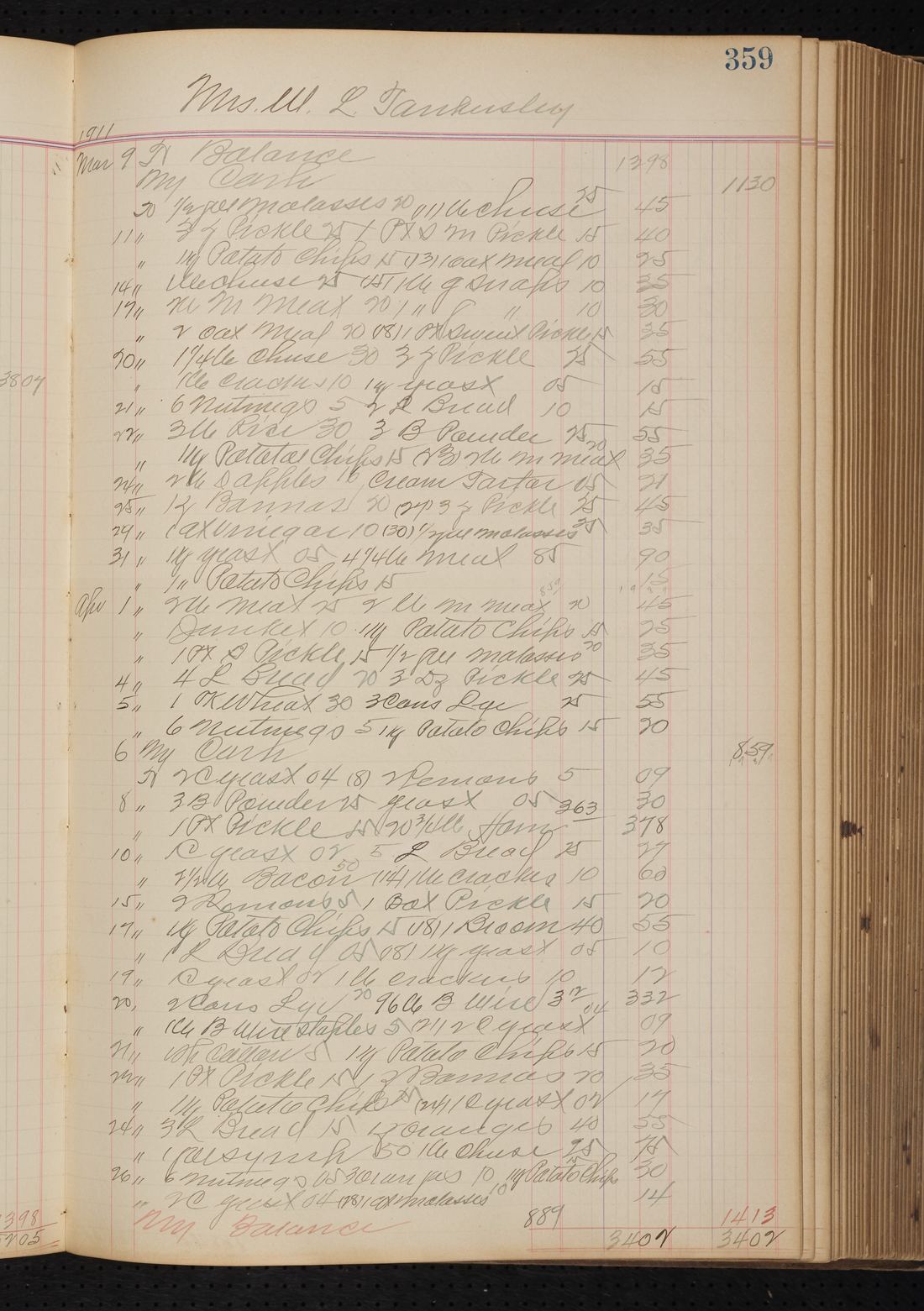
- AFP: Understanding the Difference Between Cash Flow and Profit
- DigitalOcean: Cash Flow vs. Profit, what's the difference
Facts on this page were checked against these sources.
- Antique cash register: Thomas Quine, CC BY 2.0
- General store ledger page: Patterson's General Store, Public domain
Text written by Biggest Bossman.





.jpg)
.jpg)